Affordable Fence Replacement: Restore Your Outdoor Space Today
Cost-effective fence replacement is essential for improving outdoor areas while maintaining property value. Homeowners often overlook the benefits of timely fence updates. With the right materials and strategies, they can achieve both aesthetic appeal and security without breaking the bank. Knowing the alternatives at hand is key. What solutions are most suitable for financially mindful homeowners? The answers may lead to unexpected solutions.
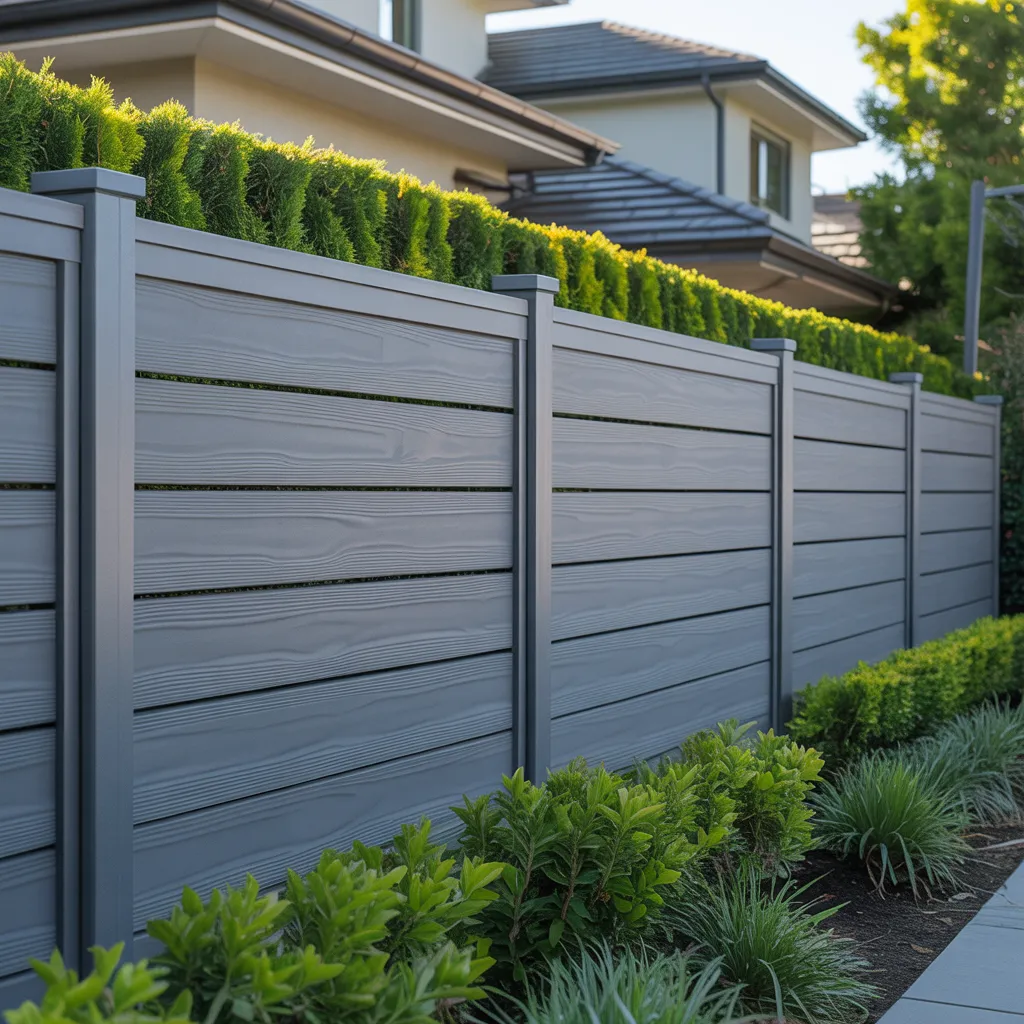
Understanding Your Fencing Needs
How does one establish the most effective method to fence replacement? The journey starts with a thorough assessment of the present state of the fence. This requires examining damage, rot, or decay, as well as assessing the overall aesthetics and functionality of the current fence. Homeowners should also consider the fence's intended purpose—whether for privacy, security, or boundary demarcation. Subsequently, it's essential to measure the area that needs fencing, guaranteeing precise measurements for choosing materials. Cost limitations are of great importance; knowing the price ranges of different materials, such as metal, wood, or vinyl, supports sound decision-making. Furthermore, local zoning laws and neighborhood aesthetics should be considered as part of the process. By focusing on these considerations, property owners can confidently select the ideal fencing choice suited to unique situations and needs, setting the foundation for a seamless replacement.
Why Cost-Effective Fence Replacement Is Important for Homeowners
While many homeowners may overlook the importance of affordable fence replacement, it is a key factor in maintaining property value and security. A well-maintained fence not only elevates the overall appearance of a property but also serves as a defensive shield against trespassers and stray animals. As time passes, gradual deterioration can undermine a fence's performance, making swift replacement an important consideration.
Cost-effective choices allow homeowners to repair and replace their fencing without breaking the bank. This expenditure not only enhances security but also greatly improves curb appeal, which can influence potential buyers in the future. Additionally, a new fence can mark property limits precisely, reducing disagreements with neighboring residents. As outdoor spaces continue to gain significance for rest and leisure, a durable and visually appealing fence improves these outdoor spaces, making them increasingly welcoming. Ultimately, budget-conscious fence installation is a strategic choice for homeowners seeking to protect and improve their property.
Explore Affordable Fencing Materials
Exploring economical fencing materials can substantially affect a homeowner's capacity to maintain both aesthetics and functionality. Choices such as chain link, vinyl, and pressure-treated wood provide flexible alternatives without straining your finances. Vinyl as a fencing material offers durability with minimal care, making it an excellent long-term choice. Although chain link is frequently regarded as utilitarian, can be enhanced with slats or vinyl coatings to boost appearance and privacy. Pressure-treated wood delivers a traditional look and may be personalized with stains or paints, granting homeowners artistic flexibility.
For homeowners looking for environmentally conscious options, bamboo and recycled plastic fencing have grown in popularity. These options not only minimize ecological footprint but also offer distinctive aesthetic qualities. By carefully considering these budget-friendly options, homeowners can find fencing solutions that enhance their outdoor spaces while remaining cost-effective. Ultimately, the right choice will balance style, durability, and affordability, ensuring satisfaction for years to come.
How to Find the Best Fence for Your Budget
When picking a fence that aligns with financial constraints, evaluating individual needs is essential. This entails accounting for factors such as purpose, location, and desired aesthetics. After this step, exploring various material options can identify budget-friendly solutions that meet those needs effectively.
Determine Your Needs First
How can one effectively determine the right fence for their financial plan? Initially, it is essential to assess specific needs, such as privacy, security, and aesthetic preferences. Determining the main goal of the fence will streamline options and inform the selection process. Next, reviewing the size of the area to be fenced is essential, as this will affect material and labor costs. Moreover, accounting for local zoning regulations and homeowner association guidelines can eliminate unforeseen financial obstacles. Finally, establishing a clear budget early on will facilitate more efficient choices, allowing for a clearer evaluation of materials and styles. By thoroughly reviewing these factors, one can arrive at well-reasoned decisions that suit their budgetary limitations while fulfilling their fencing requirements.
Navigate Material Options Intelligently
Selecting the most suitable fence material for a set budget calls for thorough evaluation of different materials currently available. Homeowners frequently balance cost against durability, aesthetic appeal, and maintenance costs. Wooden fencing offer a classic look but may require consistent care, while vinyl offers a low-maintenance alternative at a steeper starting price. Metal options, such as chain-link or wrought iron, provide longevity and security, though they may differ significantly in cost. Composite materials blend the natural look of wood with the resilience of synthetic options, making them a practical selection. Ultimately, examining each material's longevity, installation fees, and upkeep will direct property owners toward a choice that balances quality with budgetary constraints, guaranteeing a worthwhile property enhancement.
Budget-Friendly DIY Fence Installation Tips
When considering a DIY fencing project, choosing cost-effective materials can greatly impact total expenses. Thoughtful layout planning also works to minimize unnecessary waste and improve overall efficiency. Moreover, using online tools and resources can deliver useful advice and insights, further enhancing the home improvement experience.
Select Budget-Friendly Materials Carefully
Though many property owners think that installing a quality fence necessitates significant spending, opting for cost-effective materials can significantly cut costs without diminishing quality. Options such as pressure-treated wood, vinyl, or chain-link fencing provide reliable choices at lower prices. Additionally, exploring recycled materials can offer unique aesthetics while being eco-friendly and economical. Homeowners should also consider local suppliers, as they may offer discounts on bulk purchases. Opting for pre-fabricated panels can simplify installation and cut labor costs. Moreover, selecting materials designed for easy maintenance can save money in the long run. By thoroughly assessing these alternatives, property owners can develop an economical and visually pleasing fencing solution customized for their outdoor areas.
Map Out Your Layout Thoughtfully
A well-designed strategy is vital for a effective DIY fence project. Proper planning helps to minimize unnecessary expenses and assures that the fence serves its intended purpose. As a first step, property lines should be clearly marked to eliminate boundary disagreements. Next, carefully measuring the area is fundamental; this includes considering gates, slopes, and obstacles to assure functionality. Homeowners should create a thorough diagram, indicating the fence's design and positioning. This visual guide facilitates the estimation of overall material and financial needs. In addition, taking local zoning ordinances into account can reduce the risk of future setbacks. By committing to a solid planning process, DIY enthusiasts can make the installation more efficient, increase the project's overall productivity, and maximize their budget.
Make Use of Useful Online Resources
After careful planning and layout design, homeowners can take great advantage of utilizing helpful online resources. Numerous platforms offer detailed guides and videos that make the DIY fence installation process easier. Websites dedicated to home improvement often provide step-by-step instructions, material lists, and cost estimators, helping homeowners manage learn more their budgets efficiently. Moreover, digital forums and social media communities deliver useful insights from knowledgeable DIYers who share advice and techniques to prevent common mistakes. Several manufacturers also supply comprehensive product specifications and installation manuals, allowing homeowners to pick the correct materials for their projects. By utilizing these resources, individuals can enhance their knowledge and confidence, culminating in a successful and budget-friendly fence replacement.
Smart Maintenance Strategies to Preserve Your Fence
Many homeowners pursue cost-effective maintenance strategies to extend the lifespan of their fences. Periodic inspections are vital; spotting problems early on can save money on repairs in the future. Property owners should routinely wash their fences, eliminating dirt, mildew, and algae with a basic solution of water and gentle detergent. Doing so not only boosts curb appeal but also guards against deterioration.
Adding a coat of paint or sealant on a regular basis can protect wood fences from moisture and UV damage, increasing their longevity. In addition, trimming nearby vegetation can reduce wear and tear from excess moisture and overgrowth.
Employing the right hardware, such as rust-proof screws and nails, can minimize corrosion and enhance durability. Finally, homeowners should consider repainting or re-staining rather than full replacement, which is a more economical choice. Applying these methods can reliably copyright fence integrity while keeping costs low, making certain the outdoor space continues to feel inviting and protected.
Commonly Asked Questions
How Long Does the Fence Replacement Process Typically Take?
The process of replacing a fence usually spans between one and three days, depending on the scope of the project and the materials selected. The timeline can also be affected by weather conditions and necessary permits.
What Permits Do You Need for Fence Replacement?
In most cases, a fence replacement project requires building permits from local agencies, zoning clearances, and potentially approval from the homeowners' association. Local regulations can differ significantly, so it is important for homeowners to check with local authorities before moving forward with the replacement.
Can My Fence Replacement Project Be Financed?
Financing options are frequently available for fence replacement projects. Homeowners may consider personal loans, credit lines, or dedicated financing plans provided by contractors, helping them handle expenses over time while upgrading their property.
Is Eco-Friendly Fencing an Available Option?
Yes, eco-friendly fencing options exist, such as bamboo, recycled plastic, and reclaimed wood. These materials provide sustainable alternatives while reducing environmental impact, making them ideal for those looking to improve their outdoor space in a responsible and attractive way.
How Do I Choose a Reliable Fencing Contractor?
To choose a reliable fence contractor, one should look up online reviews, seek out references, confirm licenses and insurance, review quotes, and evaluate communication skills to ensure a reliable and professional partnership throughout the project.